If you have opened Spotify or walked into a movie theater recently, you might’ve felt a sense of déjà vu. The songs sound familiar, the movies feel recycled, and everything seems like a remix, reboot or rererelease of something we’ve already seen.
In the music industry, it’s become almost predictable. A new song comes out, and within a few days there are suddenly a dozen varieties of it. There’s the acoustic version, the extended version, clean version to make it more accessible for younger audiences, and then the Tiktok versions. The Tiktok versions include sped up, slowed downed, mashups, and whatever to keep the song trending. Sometimes an artist will even release a deluxe version of their album with one new track or maybe ten extra seconds added to an old song. It’s barely different but technically it counts as “new.”
A lot of big artists do this on purpose to keep their songs on the algorithm. Taylor Swift is one of the many artists famous for dropping multiple versions of the same song. On her most recent album, “Life of a Showgirl,” she released a loud luxury remix and acoustic version. Ariana Grande did this with her 2024 album “eternal sunshine,”, releasing a deluxe, deluxe with instrumental, and deluxe with acapella version in 2025.
At first it becomes exciting because it feels like you’re getting bonus content, but most of the time, you end up realizing it’s almost the exact same song.
Fans joke about the multiple variations of songs but they still stream everything, and that’s exactly why artists keep doing it. The more versions there are, the more streams they get, and the longer the song stays relevant.
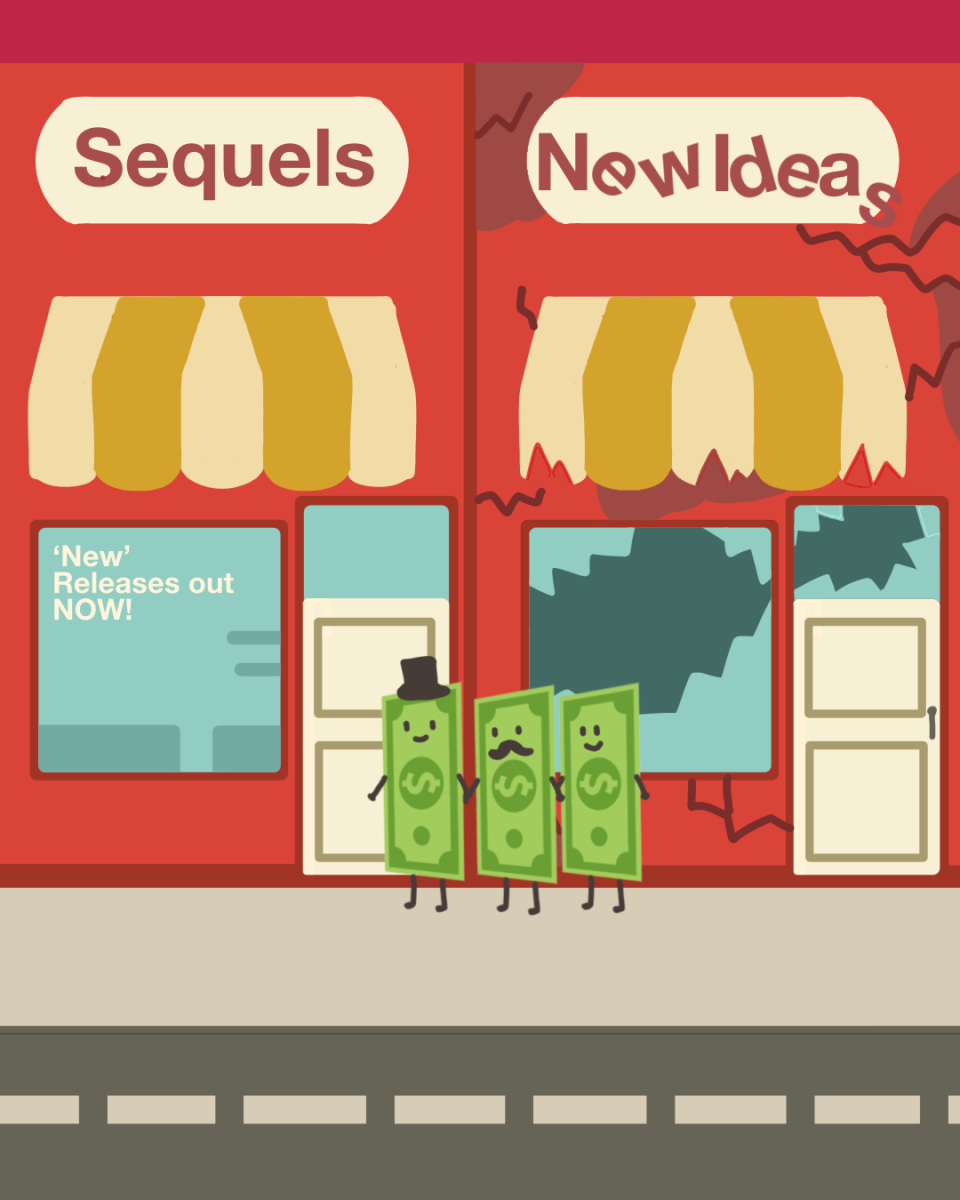
This trend doesn’t just stop at music, though. Movie companies are just as guilty, only with a way bigger budget. Think about how many sequels Disney has released in the past few years; Frozen 2, Toy Story 2, 3, 4 (and apparently 5 on the way), Cars 3, Descendants 3, and a bunch of spin-offs nobody asked for. Even remakes like Bambi, over 60 years after the original, banking on nostalgia to win over viewers. It feels like every popular and successful movie eventually gets turned into a franchise, even if the story had no reason to be continued.
Studios know that familiar characters guarantee an audience, even if characters or stories have been introduced before.
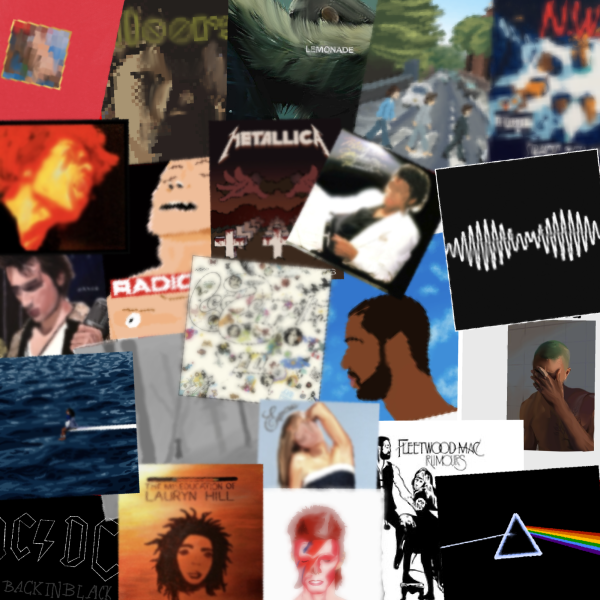
Alongside sequels, Disney has been constantly turning animated films into live action versions, a strategy that has been a hit or miss among their audience. Disney turned almost all of its classics into new versions, such as Cinderella, Beauty and the Beast, and The Little Mermaid. Some were pretty well praised, but others like Mulan were criticized for changing the original story too much or losing what made the animated versions special.
Other studios are doing the same thing, not just Disney. Jurassic Park became Jurassic World, Ghostbusters keeps getting reboots, and Star Wars has spin-offs after spin-offs.
Part of the reason why companies rely so heavily on remixes and reboots is psychological. People naturally gravitate towards what they are more familiar with. It gives them a more comfortable, safer option without needing to branch off to something totally new. Studios and artists know this. A familiar name or sound can trigger nostalgia, and nostalgia is powerful. When people are overwhelmed by new content, it’s reassuring to latch onto something recognizable. So instead of taking risks, companies rely on things guaranteed to get attention; the same characters, same melodies, and same titles redone over and over again.
On the other hand, making original content has become more expensive and overall more risk taking. With streaming platforms, algorithms, and short attention spans shaping what’s becoming popular, the industry is trying to play it safe. A reboot or rerelease comes with a built-in fandoms and predictable profits, which makes it way less tricky than giving a big budget towards a new idea that might flop.
Personally, I don’t fully think the entertainment industry is necessarily running out of creativity, but adapting to their audiences preferences, a pattern that promotes comfort and disregards originality. And because audiences keep clicking, watching, and streaming these recycled projects, the cycle continues.
So, are artists and studios really being creative with all of these remixes and reboots? Sometimes, yes. But more often, it’s a strategic response to what rewards the audience. People will watch or listen simply because the name is familiar and the experience is friendly. As long as charts and algorithms continue to push content to the top, the entertainment industry will resume using anything that comes out to be successful.