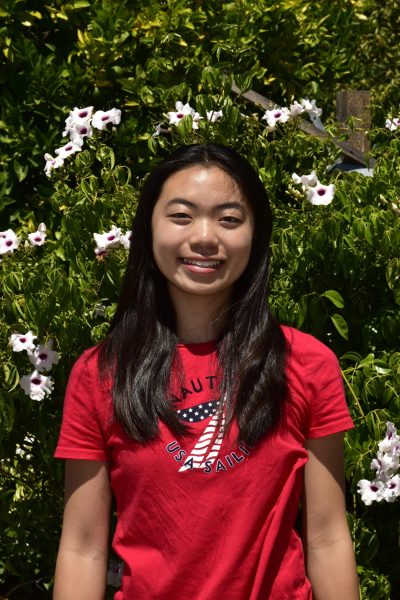
Suri Rastani (10), an Iranian student at Mills, opens her notebook and prepares to tackle her nightly math homework. The news playing in the background echoes in Rastani’s ears. She obsesses over each and every word, searching for any updates about her relatives in Iran. Constantly preoccupied with what the news may say next, homework is the last thing on her mind.
“I’m constantly scared about what’s happening,” Rastani says. “Every time I see a pop-up on my phone from a news app, I’m always scared that it’s going to say something about Iran, or if I hear my family group chat texting, I’m scared that something happened over there.”
This is not an uncommon experience. Many Middle Eastern students at Mills, especially those with family in the Middle East, are impacted by the ongoing conflict, hearing stories of tragedy, war and destruction from news sources or family every day.
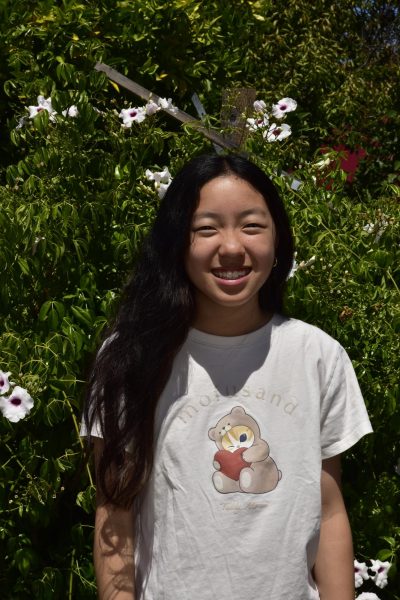
“I remember one time, I think it was maybe my aunt, she was in her home with her little son and a shell from a rocket had gone through their window and landed in their home,” says Palestinian student Sarah Aqleh (11). “[And my mom will] tell me how she still kind of gets afraid when she sees police officers and that kind of thing while she’s here, because it reminds her [of] soldiers back home.”
“A lot of people are losing their homes and are being traumatized,” says Nour Halloway, a Lebanese sophomore. “[They] don’t have a place to stay, don’t have anything to eat and especially like these little kids — they’re innocent and they don’t know anything about war.”
With only about 1% of the United States population composed of Middle Eastern people, not many people have personal connections to the conflict. Because of the lack of representation on campus, many Middle Eastern students don’t feel recognized, especially with the discontinuation of the Middle Eastern Club this year.
“After I found out that the Middle Eastern Club [had] basically dissolved, I was thinking about starting it up again and being president myself, but I was actually just worried that there wouldn’t be like members because I often don’t see other Middle Eastern people on campus,” says Aqleh. “And I also maybe it’s not even fully that they’re not here, but that we don’t see each other because there is no space to … share our culture.”
Many students at Mills pay very little attention to the ongoing conflict and different Middle Eastern cultures in general.
“I think it’s a mix of not having a lot of Middle Easterns in school here, but it’s also partly just because it’s kind of hard to connect yourself to the culture when there’s so much stuff happening in the news,” says Rastani.
“I just see people joking about it a lot,” Aqleh says. “They don’t know any specifics on information, but they just know, ‘this group bad, this group good,’ and kind of make jokes around that, but don’t want to have any real conversations.”
This may be a result of Middle Eastern history and culture being often overlooked in education. According to Modern World History teacher Alexandra Dove, the ongoing conflict, especially with Israel and Gaza, is a difficult topic for schools to cover due to it being a very charged topic.
“It’s been so controversial and there’s so many strong opinions on both sides, [so] it can make a lot of teachers feel unsafe doing so,” says Dove. “We’ve been called out by different interest groups many times to review our curriculum and course study, which I think puts fear in people to talk about it.”
Despite this, Dove still chooses to cover the conflict in her class.
“I think it’s really important for students who are not directly affected by conflicts … to recognize that even though we’re not directly affected, we are impacted,” she explains. “I also think it builds empathy. The more we understand about it, especially people that live different lives and have different experiences, the more we’re able to build connections.”
Dove believes that this education is crucial to bringing about more awareness, community and cultural appreciation.
“When we build together, when we unite, when we find that solidarity, that’s how we make change,” she says. “That’s how change has always happened in our human history, and that’s why it will happen from now onwards. So stand in your power. Stand in your collective power together.”