
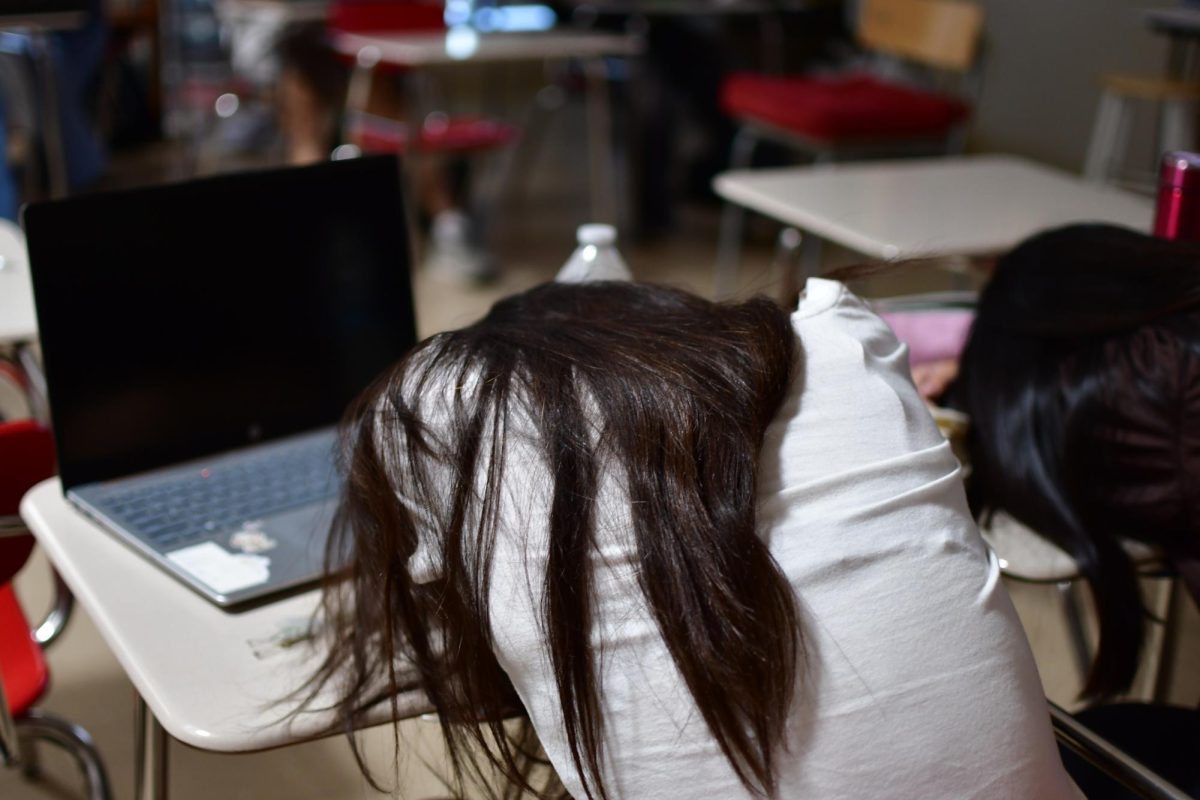
Every year during the second semester, a strange condition begins spreading quickly among high school seniors. Students who were once able to finish their Canvas assignments suddenly struggle to find the motivation to even open them. Many experience sudden exhaustion and spend more time counting down the days until graduation than completing their work. This mysterious condition, known as Senioritis is commonly dismissed as laziness. However, it’s time we start taking it more seriously and recognize it as an actual medical condition.
Senioritis is more than just procrastination. It follows a predictable pattern. First are mild symptoms like checking the calendar every five minutes and saying things like “Is this assignment even graded?” At this stage, the motivation to complete assignments slowly disappears and even simple homework begins to feel overwhelming. As the condition worsens, the symptoms begin affecting more than just schoolwork. Physically, students start often arriving to class late, but mentally they are already at graduation, summer break or even their future college campus. Attendance also begins to decline as many seniors start skipping classes because the motivation to show up just isn’t there anymore. At this stage, seniors develop the habit of opening assignments, staring at them for a while, and then deciding they will “do it later.”
Some may argue that Senioritis isn’t real because it isn’t listed as an official medical condition, but let’s be honest, if something affects nearly every senior each spring, shouldn’t we at least consider it a public health concern? After several years of homework, assessments, applications, stress and more, students reach a point where their brains simply refuse to cooperate anymore.
It’s quite evident. Teachers notice a spiking increase in late assignments. Group projects suddenly become one person doing all the work. Hallways and senior parking spots become unusually full during class time as students mysteriously “disappear” from class. And the phrase “it’s just second semester” becomes a universal excuse for almost everything.
Instead of ignoring the problem, schools should start treating Senioritis like the serious medical condition it clearly is. Possible solutions could include shorter assignments, more outdoor break time, or even the addition of naptime to help seniors regain their strength and energy. They should also consider lighter workloads or recovery days where seniors can take a break from their overwhelming symptoms. Although these changes may not cure Senioritis, they could at least help the students survive the last stretch before graduation.
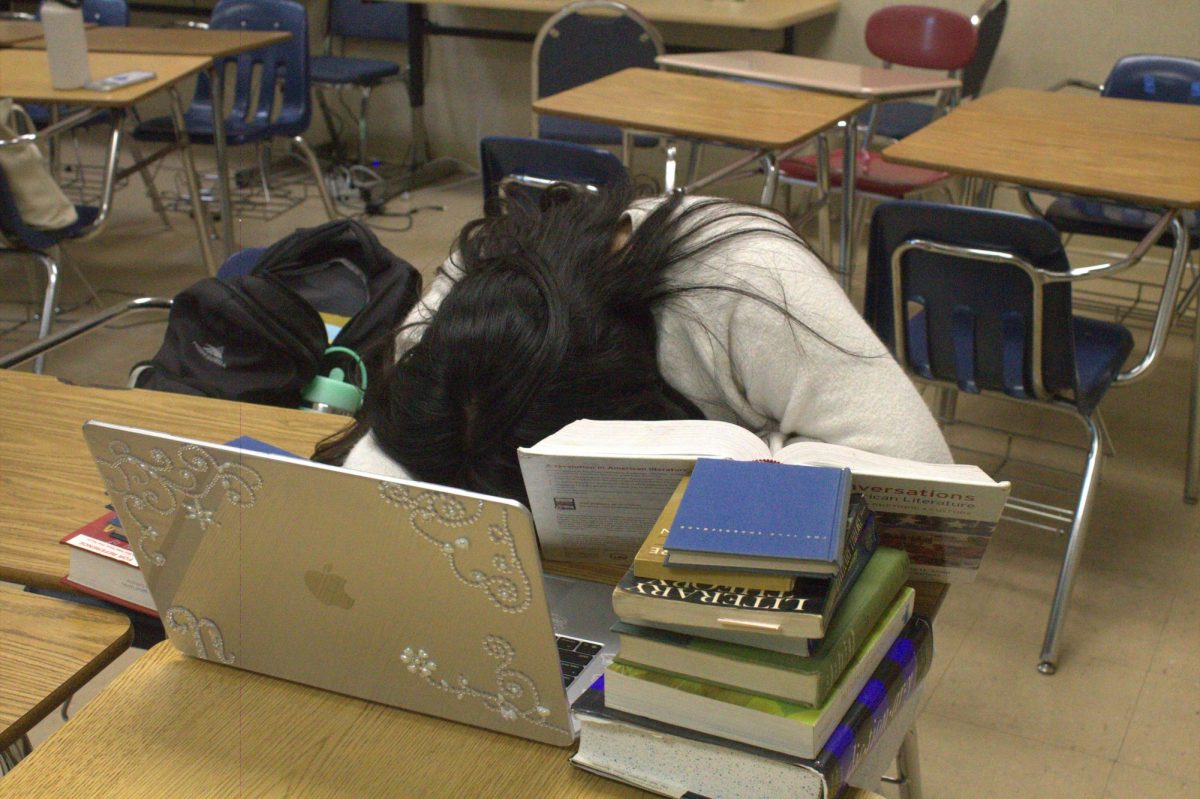
Until then, students will continue to suffer in silence, dragging themselves through the final months of school while counting down the days until freedom. So the next time a senior forgets an assignment or stares blankly at their laptop, remember they might not be lazy: rather they might just be experiencing a serious case of Senioritis.