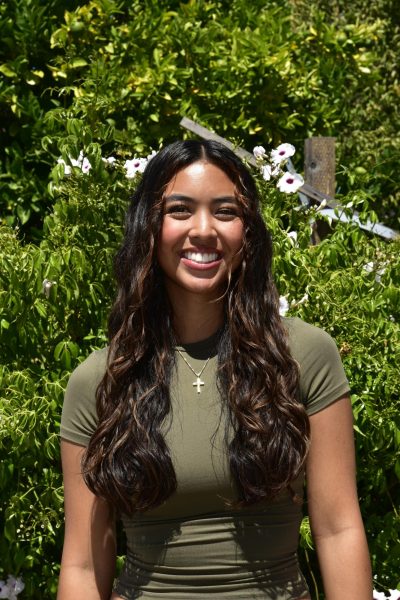














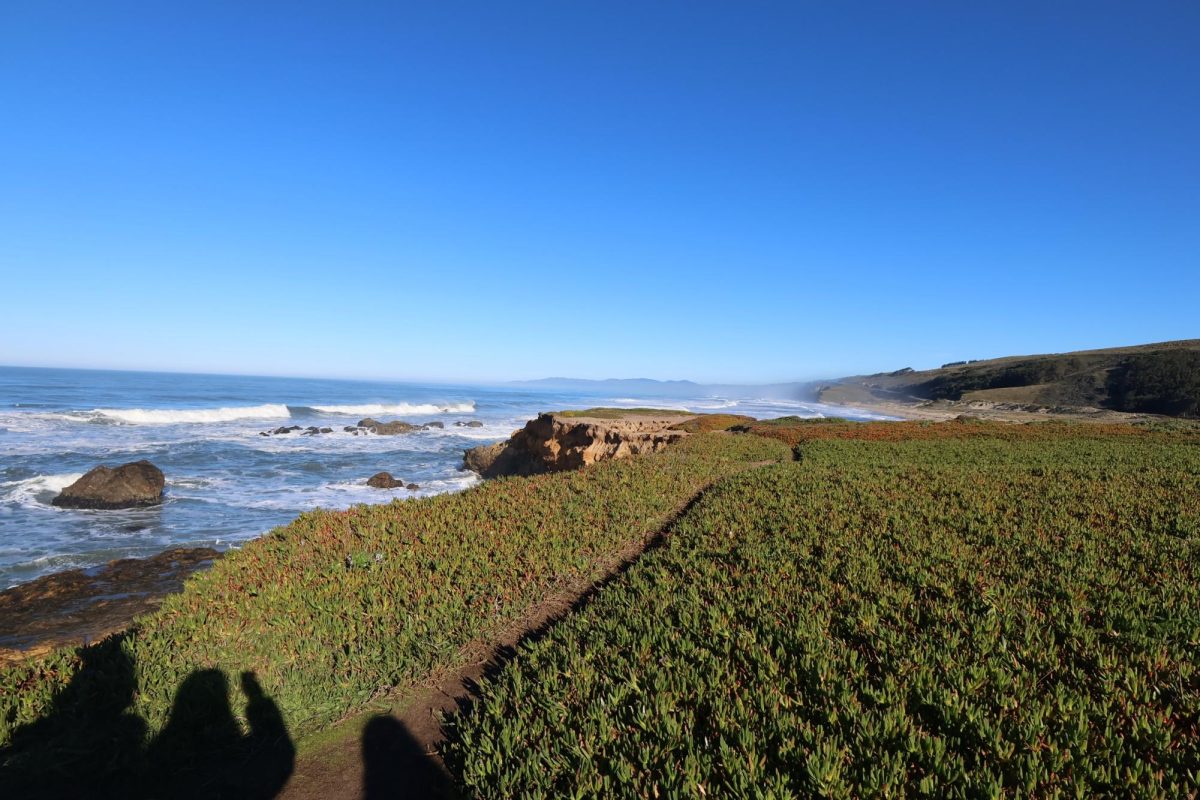
For many students, Outdoor Ed is a one time trip, but this year, many Mills students had the chance to return, only this time as cabin leaders. Typically, students attend Outdoor Education Camp as middle schoolers or elementary schoolers, depending on their school. At the camp, students stay at the location for five days and four nights, learning in nature through activities like hiking, group challenges and many environmental lessons. At Mills, juniors and seniors were given the opportunity to go back to Outdoor Ed as cabin leaders, where they took care of the younger campers and guided them through the experience. This change from camper to cabin leader allowed students to see Outdoor Ed in a completely new way. As seniors look back on their time at Outdoor Ed as sixth graders, their memories seem much simpler. Aislinn Xiao (12) recalls that the only part she clearly remembers from her experience as a camper was the night walk, which she described as scary at the time. Similarly, senior Sahar Masarweh remembers Outdoor Ed as fun, especially the hikes and the night walk. Unlike their time as campers, cabin leaders are responsible around the clock at all times, supervising meals, bedtime and daily schedules.
As cabin leaders, the students quickly realized how different Outdoor Ed felt from behind the scenes. Xiao described the role as “exhausting at times, but also really fun, so it kind of balanced out“ and explained that one of the biggest challenges was getting the campers to listen, especially during busy moments like shower time. “It was so hectic,” Xiao said, adding that helping campers adjust to listening and following directions just took time.
Masarweh also spoke about learning how to manage groups of kids and set the mood, taking note that campers would often reciprocate the energy she brought. “Whenever I was in a good mood, they would get into a good mood, and if I was in a bad mood, you can tell that [it] would shift their attitude,“ Masarweh said. In addition to managing campers’ energy, Masarweh explained that adjusting to the fast-paced schedule and constant movement from activity to activity pushed her to become more adaptable as a leader. When several campers needed assistance at once, the responsibility could feel overwhelming. However, stepping into this role helped the cabin leaders build patience, responsibility, and leadership skills as they learned how to support and guide one another together.
That growth was what made the Outdoor Ed experience notably meaningful for Mills students. As stated by Xiao, the program helps students “learn or expand on your leadership skills” while also building strong connections with younger campers and students from different schools. “You have that bond and you also have experience being a leader and taking care of people, which gets you prepared for the future when you will most likely be in those roles,” Xiao explained.
Masarweh emphasized the same opinion on how much the experience teaches. “It really taught me a lot of responsibility that I would have never ever learned if I didn’t go to Outdoor Ed,” she added. For these seniors, Outdoor Ed became more than a middle school memory: it became a way to step back into the experience as leaders, guiding campers through the same trails they once followed.