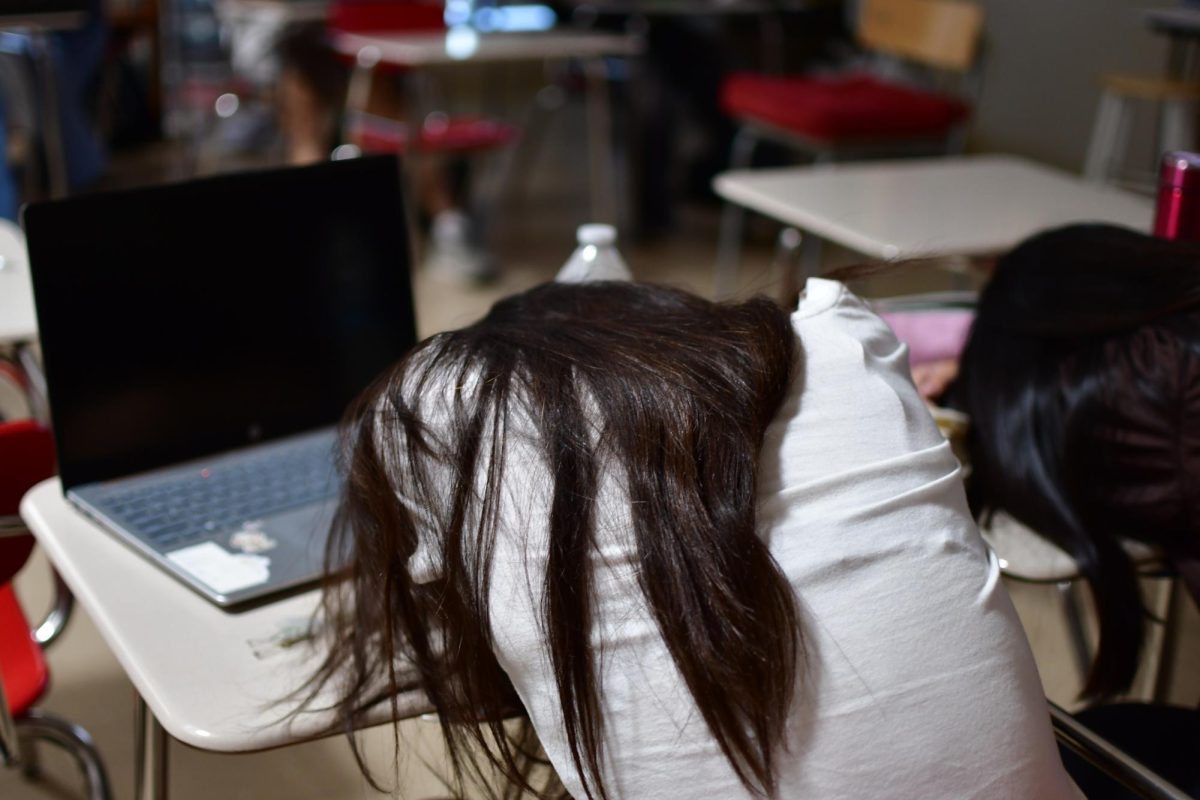







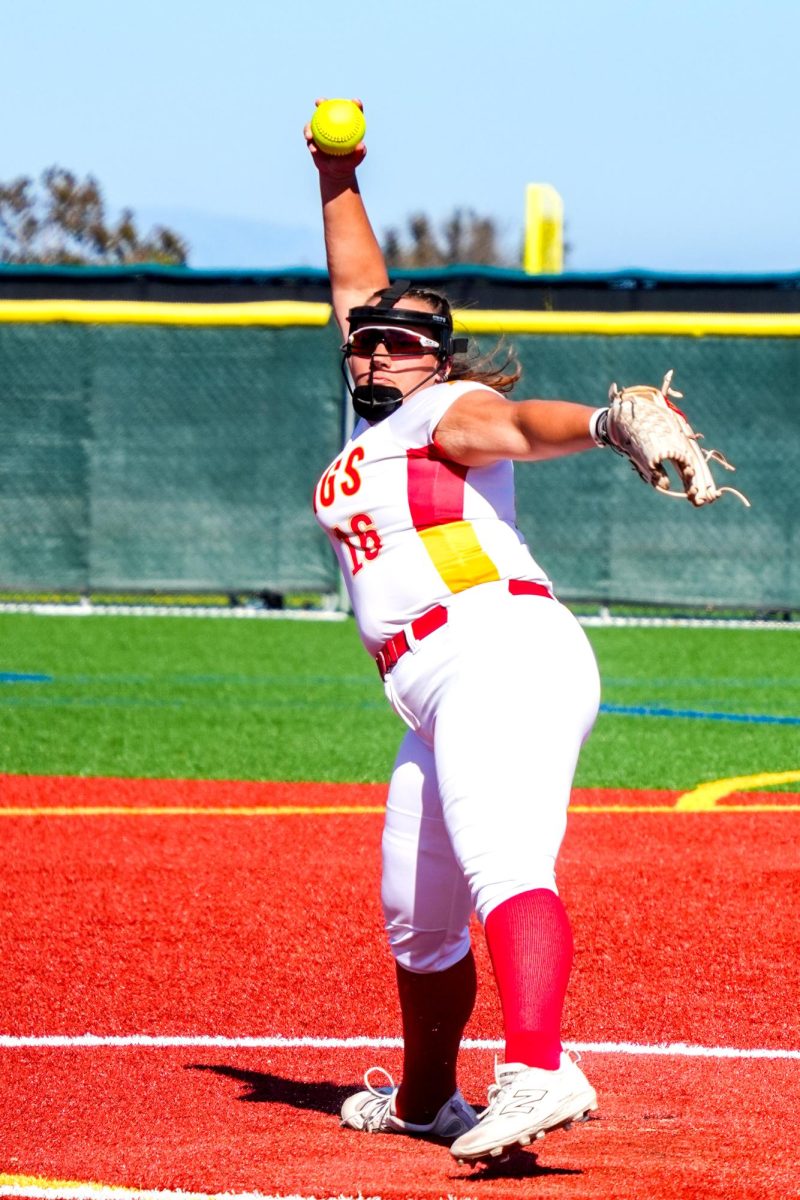
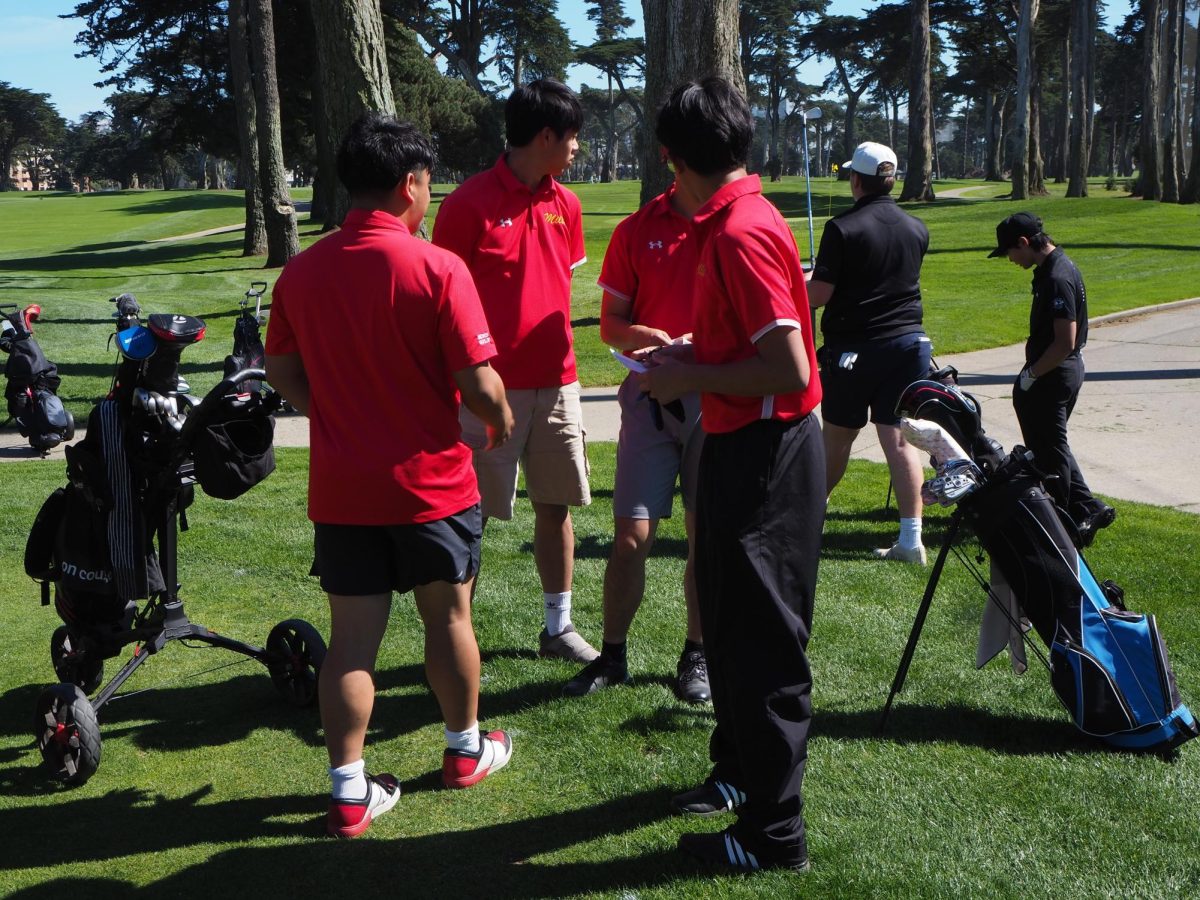
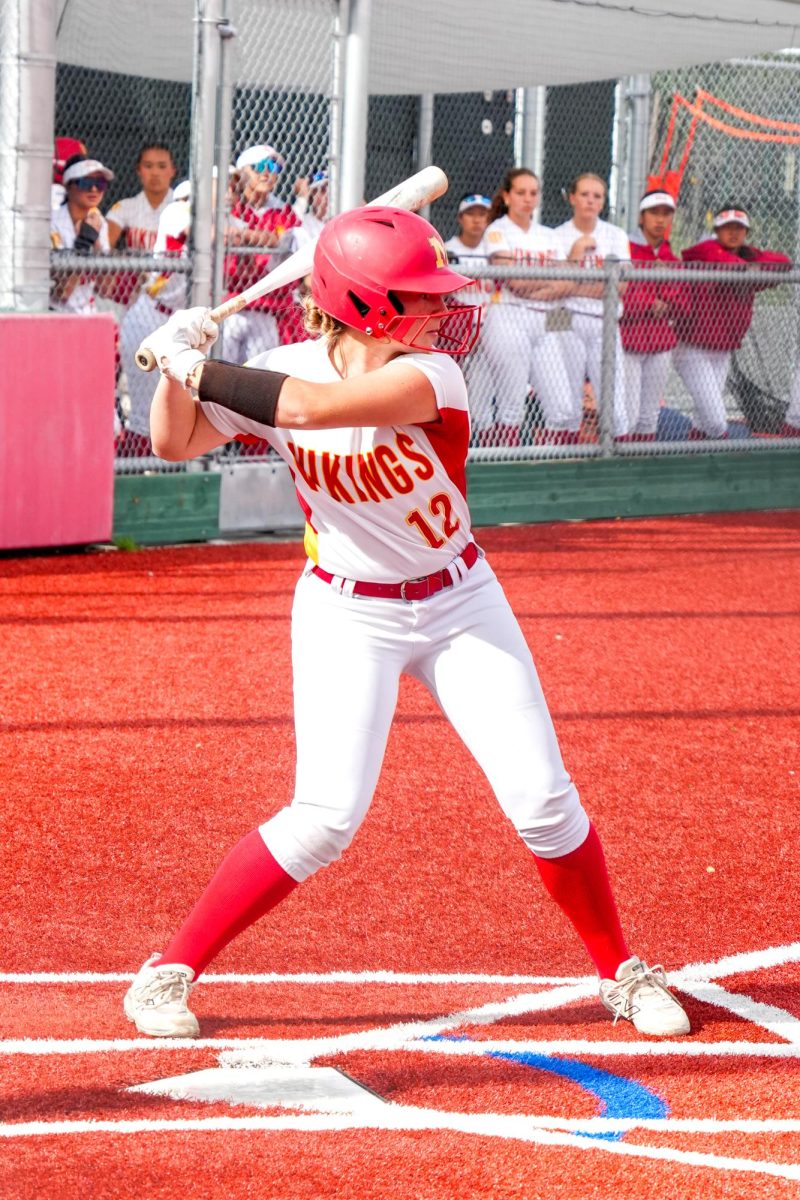







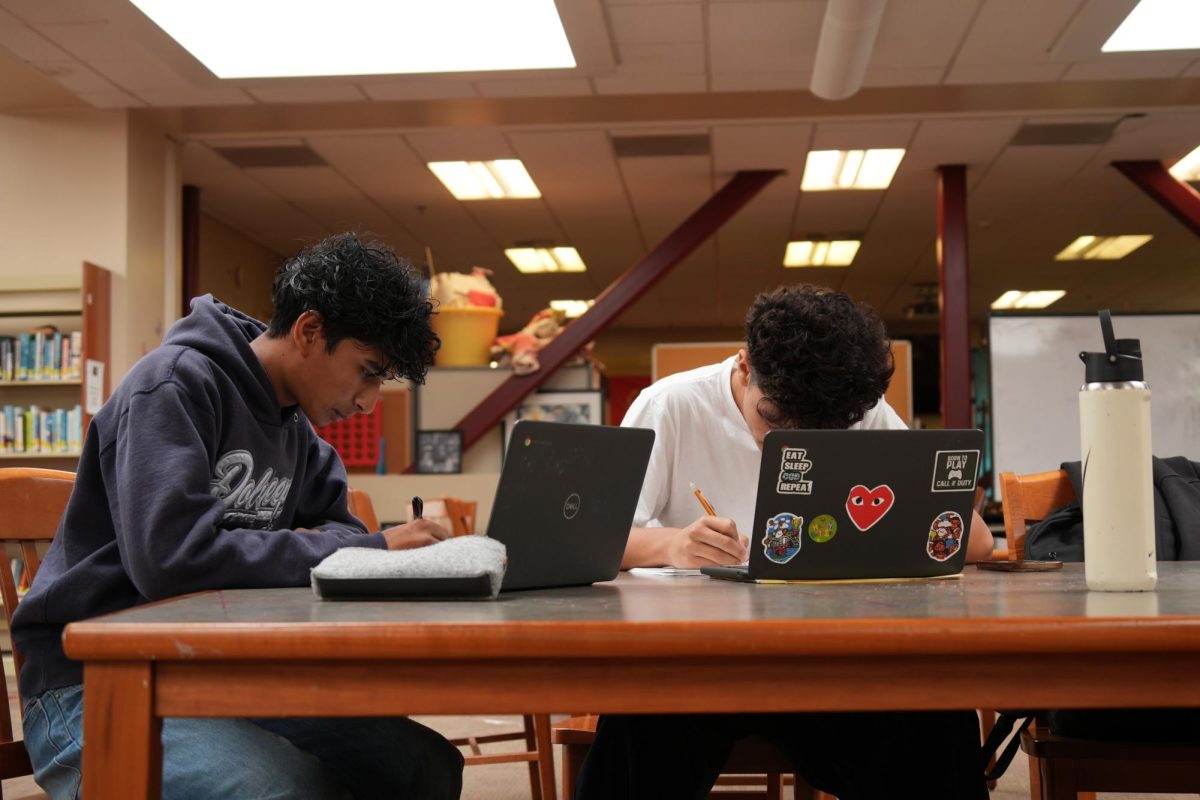
At Mills, athletes receive a special opportunity during their sophomore year. Given that students are required to take two full years of Physical Education (PE), freshmen must complete their first year of PE, no exceptions. However, during sophomore year, students who are actively playing a sport can transfer to study hall instead of participating in PE classes. It may seem like a small change, but for many student athletes the extra time can completely change how they manage their schoolwork and stress.
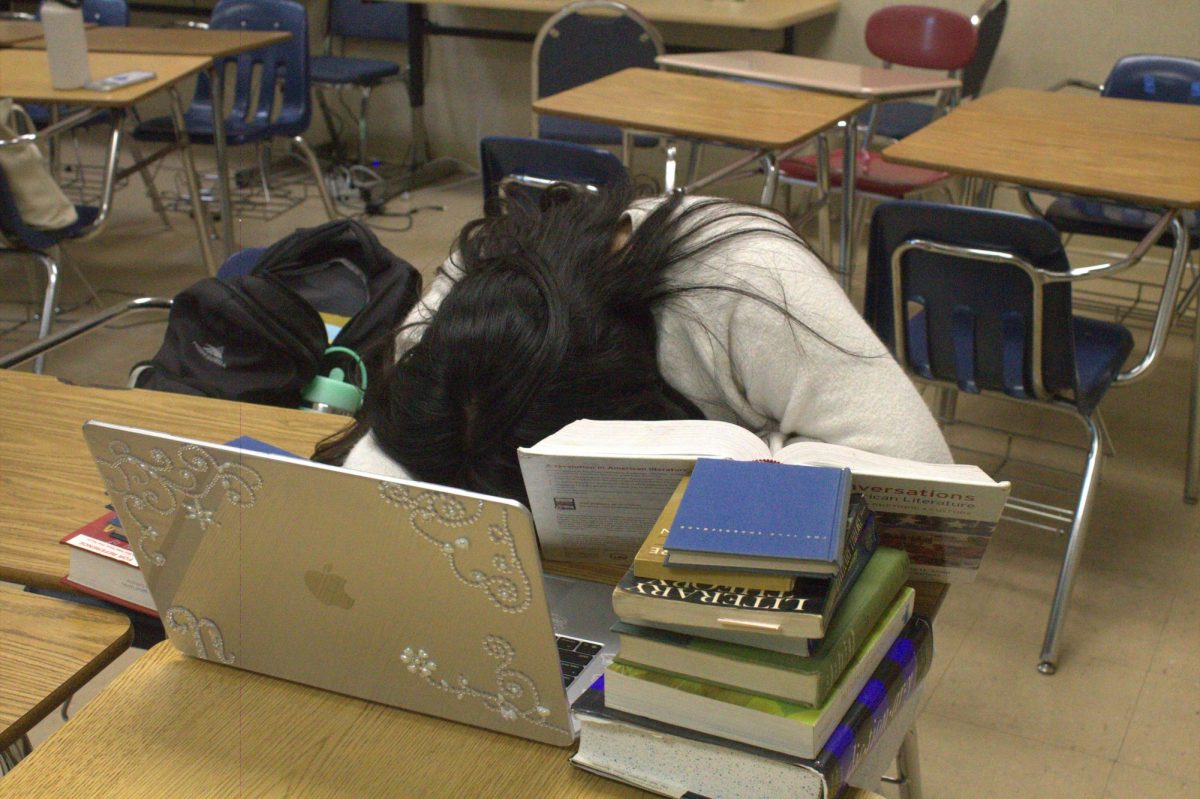
Sophomore athlete Mia Arcelona, explained that study hall gave her something she usually doesn’t have when the school day is over: time. “It gave me an advantage of finishing my school work because after school, I would be busy with practice and other things so [study hall] just gave me time to focus on homework. ” For students who do not get home until hours after school ends, that extra hour during study hall matters. Instead of staying up late after practice, trying to finish homework, athletes can get a lot of their work done during their study hall period.
Arcelona mentioned that her stress levels dropped during her season. “I didn’t have to come home to a bunch of work after practice. I could just relax more and not be stressed out about having to finish a bunch of school work for all my classes the next day.” This matches what athletic director Tim Keller hears from many athletes as well. Keller explained that many athletes tell him they feel less stressed overall because they are not trying to finish all of their work at home.
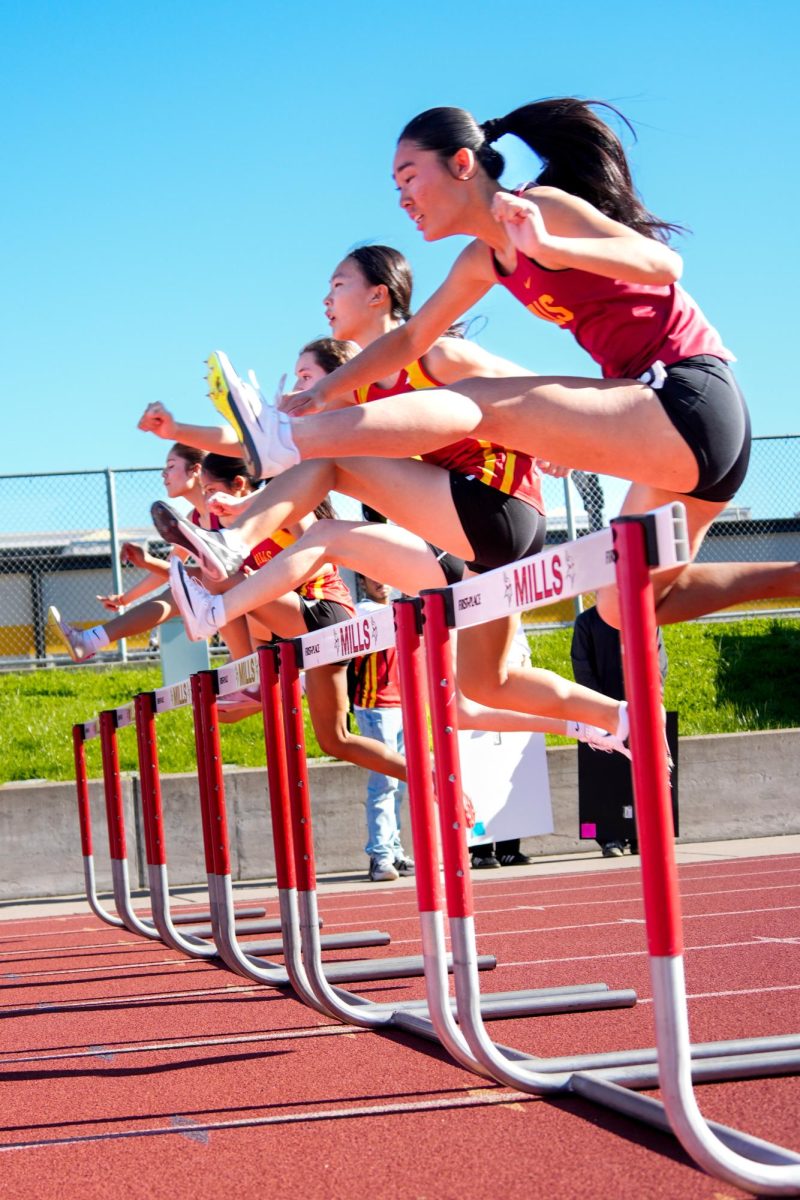
So yes, study hall is definitely an advantage and it even feels more like an advantage that is earned. While PE students get to go home right after school, athletes still have practices and games, which already provide the physical exercise that PE is meant to cover. Arcelona added, “Students in PE do not have to go to practice for at least an hour after school. They have time after school to go home and do their work.” When you look at it that way, giving athletes one period to catch up on some work seems fair.
Though it is popular among students, there are still conflicts that happen. The main complaint from students is that some PE teachers continue to assign Ed puzzles, which are online instructional videos where you must answer questions, to the students who are no longer in PE class which many say makes the workload harder. “I did not like [Ed puzzles] because it was just another thing for me to do even though I was not actively in that class. It should not have been required [and] should not have affected my grade,” Arcelona said. If the main goal of study hall is to act as an opportunity for students to complete work during the school day and reduce stress, giving athletes extra online assignments is difficult to understand.
Overall, the study hall policy is helpful and it is one of the few school rules that actually takes into account how busy athletes are, but a few tweaks would make it even better. For now, the study hall option succeeds in its purpose. It gives student athletes time that they truly need. In a school schedule filled with homework, sports, and everything else, that extra time is crucial.