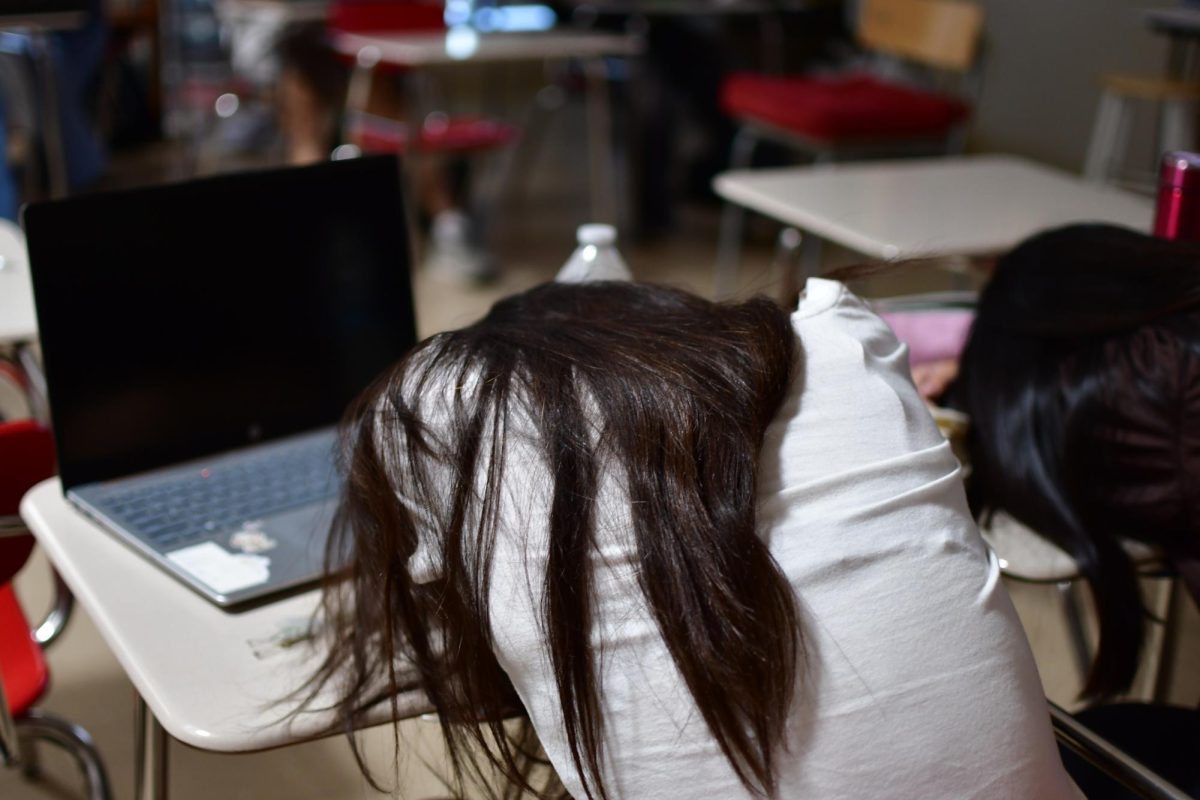










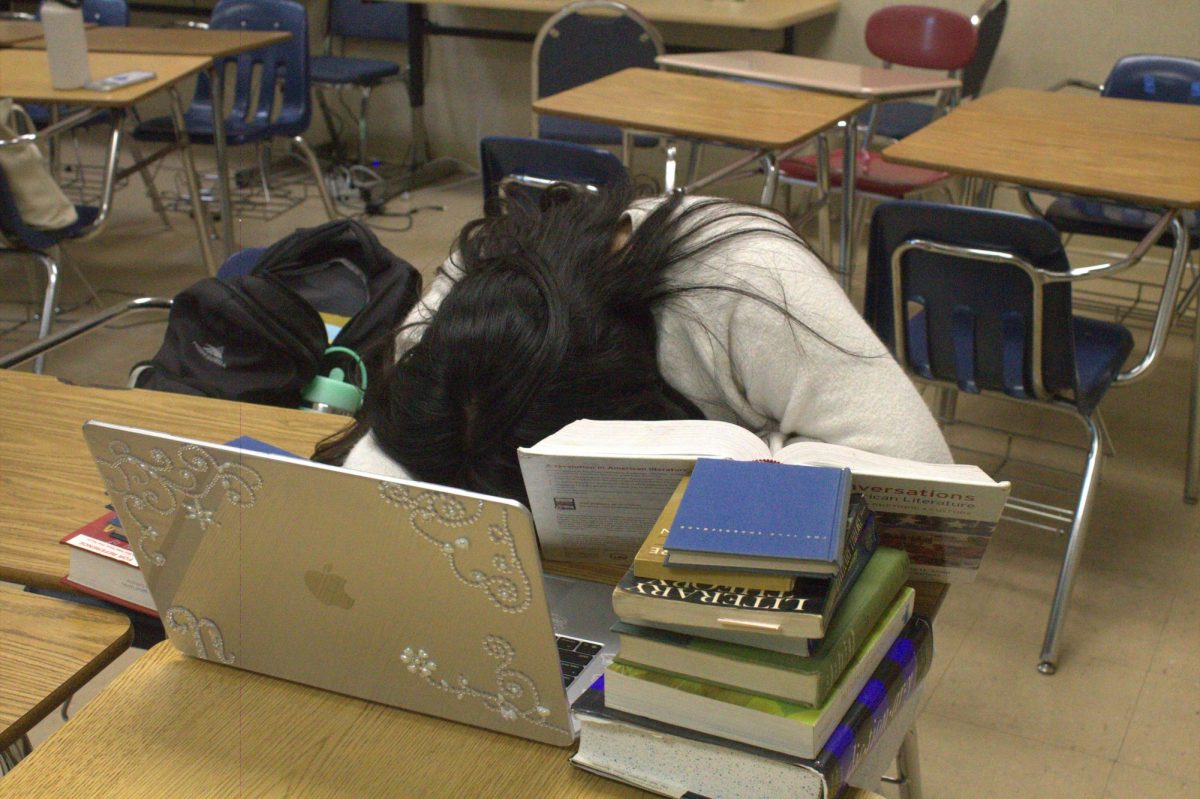












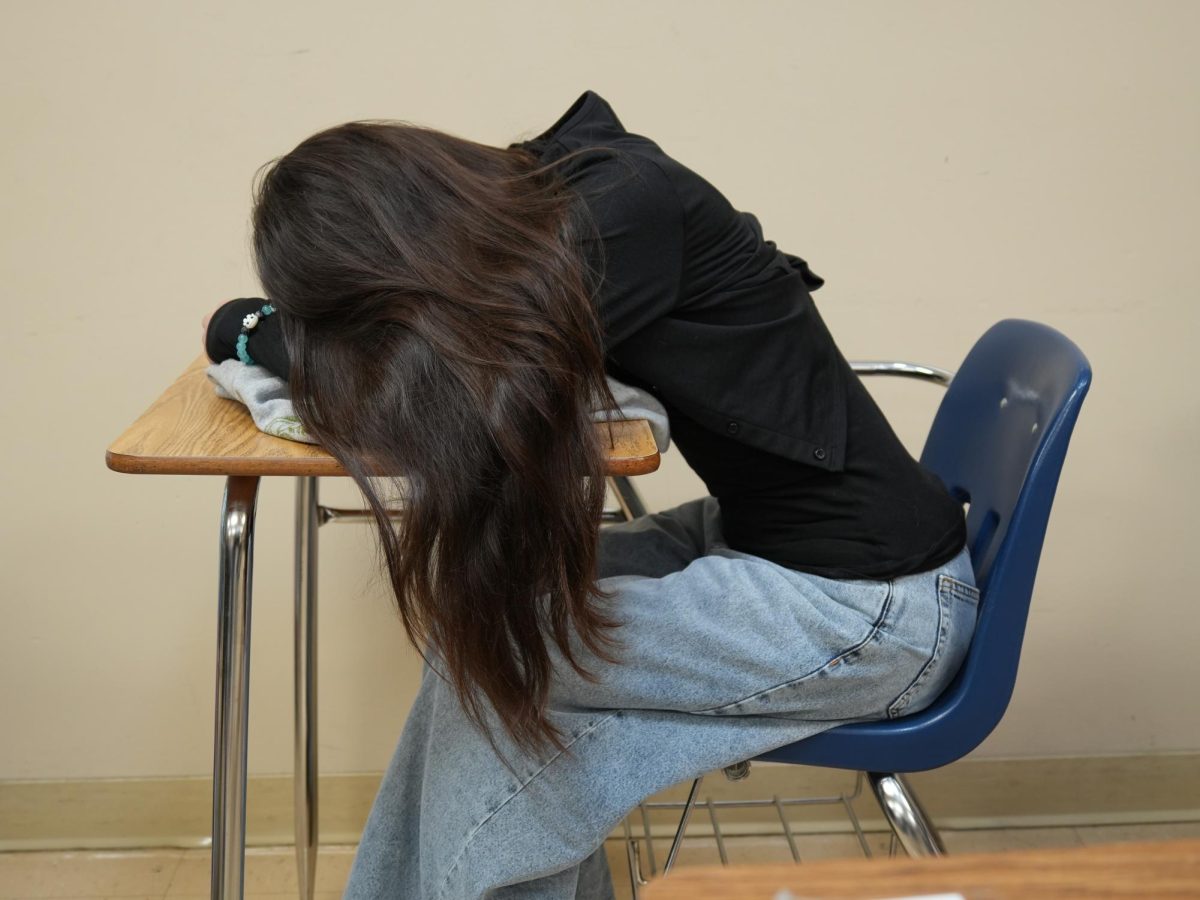
Imagine waking up at 6:00 a.m., barely rested, after staying up late to finish homework, and help out around the house. For many teens at Mills, this isn’t some made up scenario, it’s real and extremely common. I often see classmates sleeping in class, scrambling to finish homework for other classes, or complaining about how little sleep they got. Between early start times, heavy homework loads, and extracurricular demands, sleep often takes a backseat, leaving teens exhausted, stressed, and less able to focus. As student Lara Han (11) explains, “We’re told to get eight to ten hours, but that’s honestly not realistic with our schedules. I feel like schools need to rethink how much students are expected to do outside of class.”
Teenagers are not getting enough sleep, and schools are responsible for this hurtful pattern. With teachers constantly assigning heavy homework and frequent tests, teens often sacrifice sleep, facing a choice between resting and risking a lower grade or staying up late to achieve that perfect score.
Teens require about 8-10 hours of sleep per night, and in an ideal world, that’s exactly what we would get. However, the average teen only gets around six to seven hours of sleep each night. When student Lara Han was asked about how much sleep she gets each night, she mentioned, “ Like four hours, maybe five if I’m lucky. I almost never hit eight. There’s just too much homework, so I’m always up late trying to finish things.”
This ongoing lack of sleep is alarming, given the serious effects it can have on a person’s health, mood, and ability to focus.
With extracurriculars, homework, tests, and a personal life, it’s hard to put everything on hold and just go to sleep, especially with the stress that comes from trying to balance all of it at once. There’s always another assignment to finish, test to study for, and responsibility to get to. These factors significantly push bedtimes later and make mornings harder; that is, unless a good grade doesn’t interest you.
Personally, I’d consider myself lucky if I could get seven hours of sleep a night. My average is only about four hours of sleep a night. It’s actually become a pretty popular topic at school with teens comparing how much sleep they get, each one trying to top the last with a lower number. It’s almost like teen exhaustion has turned into some weird badge of honor, as if running on less sleep somehow proves you’re working harder than everyone else. The exhaustion and lack of sleep has become way too normalized, and must stop. I am tired of sacrificing something I need.
When students are expected to perform academically while running on too little sleep, their mood, focus, and overall health suffer. Chronic sleep deprivation is linked to mood disorders, difficulty concentrating, academic struggles, and physical health problems. Lack of sleep can also affect the immune system. This is not an issue that should be taken lightly, let alone normalized amongst teenagers. Sleep is critical for teen growth and development.
Some may argue that “teens just need to manage time better” and while that point may sound reasonable, they overlook the reality of how packed and demanding students’ schedules have become. Between all of school’s high expectations and the demands of our personal lives, time management can only go so far — especially with how little sleep teens actually get. Let’s not get the issue confused: the problem isn’t that teens are irresponsible, but that the workload often exceeds what a healthy balance allows.
Balancing homework and sleep is quite difficult, even with careful planning and good time management. As a result, sleep gets cut short and stress increases, creating a cycle where exhaustion makes it even harder to focus and keep up with schoolwork. On top of that, our brains are still developing, so getting enough rest should absolutely come first. It’s overwhelming to realize that at such a young age, the way we handle school and homework will determine our entire future. These years are important, but expecting teens to carry so much pressure without proper rest is simply unrealistic and harmful in every aspect. Stress increases when sleep decreases.
We teens deserve healthier sleep schedules, and it’s time we stop treating exhaustion as normal. Schools can help by reducing homework, starting classes later, and spacing tests so that kids stop falling asleep in school. Parents can help by getting more informed on their teens’ sleep patterns and possibly becoming more understanding of why their child is staying up so late. For example, there’s been multiple occasions where I’ve gotten in trouble for going to sleep too late, but that’s only because my parents didn’t quite understand the struggle yet. Parents and teachers should come together to support students. If the adults in the equation are educated on how damaging teen sleep schedules have become, they then can lower their expectations and help us teens get the help and acknowledgement we deserve.