














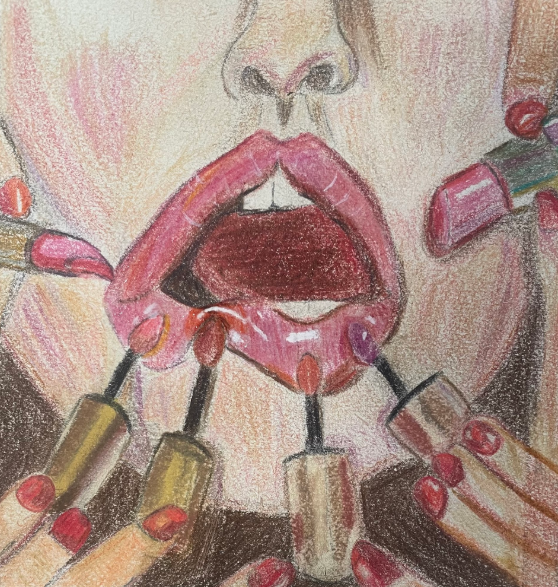
In 1871, an advertisement by Pearl Tobacco used a photo of a naked woman on the packaging of its products, which led to huge success. It was one of the most notable advertisements that made use of sex as a sales advertisement more popular. Sexualization has been around forever at this point, especially in Hollywood, with actresses such as Emma Watson, the Olson twins, Natalie Portman, and many other women in the spotlight, who were sexualized when they were just minors. Now with social media, it has become bigger than ever, with the sexualisation of young girls proving that indeed sex does sell.
The social media algorithms are the top money-making machine for social media platforms; they’re created to keep you scrolling as the cash rolls into the bank accounts of social media executives. Algorithms prioritize videos with high engagement, such as likes, comments, and shares, as most of TikTok’s most popular content features dancing trends. Teenage girls, especially those who engage in dancing trends that can be sexual, receive a lot of engagement most of the time, which leads to danger for adolescent girls.
Proving this point, in February 2025, polls covering misogyny on social media were conducted by Savanta for Amnesty International UK. It asked 3,024 Gen Z women from the UK, and 53% percent said they had received inappropriate emojis on their posts and photos, and 40% were subjected to unwanted sexual comments.
One of the clearest examples of this is a popular TikTok creator, Charli D’Amelio. She went viral for dancing and was, at the end of the day, sexualized when she was just a minor. D’Amelio went viral at 15 and was at her most popular from 2020 to 2022. She had over 100 million followers on TikTok, with an average of 1 million likes per video. When she turned 18, she started getting more and more creepy sexual comments, DMs, and requests begging her to join OnlyFans, which is an app in the style of a social media platform where creators on the app will sell sexual content, and the consumers of the content will pay a monthly fee for the sexual content.
Now, someone could argue that the girls are earning money and popularity through these videos with themselves in revealing outfits and doing dance trends. They are to blame for getting sexualized, getting creepy comments, and getting DMs. But are they really at fault? They have no consent in who consumes their videos if their account is public, or who the algorithm lets watch their videos, but if they were to put their account private, that would limit the growth they could have. At the end of the day, it’s not a beneficial agreement just because teen girls are following the trends; they are allowed to be exploited.
If social media keeps pushing content that sexualizes young girls, it will lead to going back to our society’s old misogynistic way of thinking. The idea that women are sexual objects, rather than human beings. This will create a dangerous environment for young girls to grow up in, saying your body is the only thing that truly matters, rather than their mind and personality. Social media needs to prioritize the well-being of its young users, rather than the checks in their pockets. By adding more age restrictions and not allowing adults to engage in minors’ posts.